Cryotherapy for Active Recovery: A Smart Addition to Your Routine

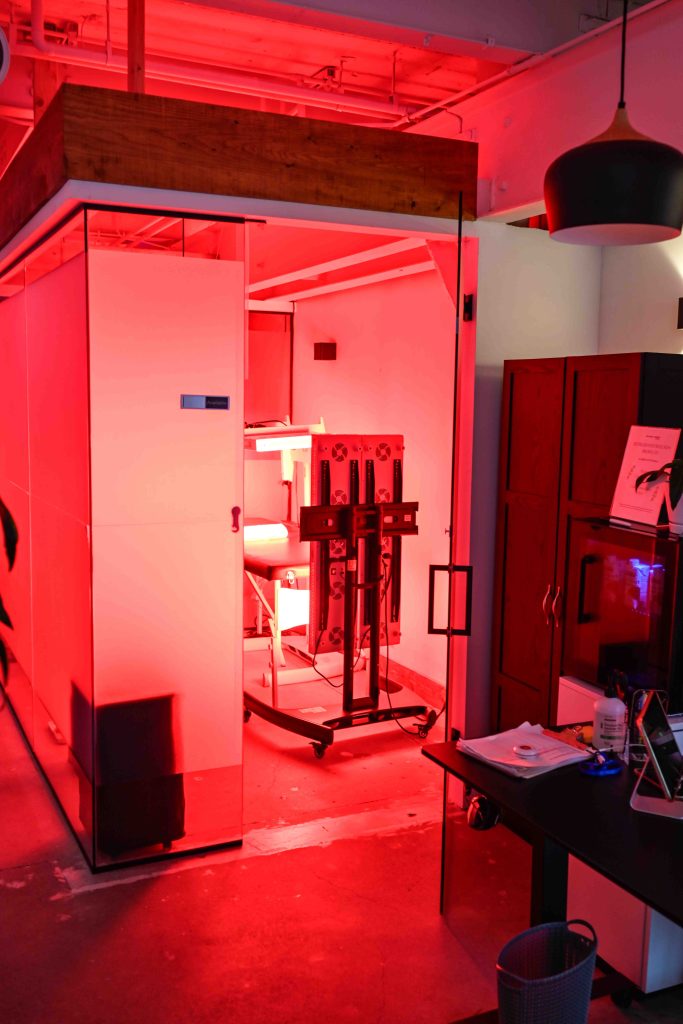

Recovery used to be treated as the quiet part of training, something that happened after the real work was done. That view has changed, and for good reason. Whether you train for sport, lift recreationally, run a few mornings a week, or spend long hours on your feet for work, how you recover shapes how well you perform the next day. It also shapes how long you can keep showing up without feeling beaten down.
Cryotherapy has become one of the more talked about recovery tools in that conversation. Some people swear by it after heavy leg sessions. Others book a session after a tournament weekend or use it during periods of dense training to feel less sore and more ready. Then there are the skeptics, and they are not wrong to ask hard questions. Does extreme cold actually improve recovery, or does it simply make you feel better in the short term? Can it interfere with muscle adaptation? Is it worth the time and cost?
The practical answer is that cryotherapy can be useful, but only when it is matched to the right goal. It is not a magic fix. It is not a replacement for sleep, nutrition, or sensible programming. It is a tool, and like most good tools, it works best when you know exactly what problem you are trying to solve.
What cryotherapy actually means in a recovery setting
The word gets used loosely. In most fitness and sports settings, cryotherapy refers to exposing the body to very cold temperatures for a short period to reduce discomfort and support recovery. That can take several forms. Whole body cryotherapy usually means standing in a chamber or booth for two to four minutes while the skin is exposed to extremely cold air. Local cryotherapy targets a specific joint or muscle group. Then there is cold water immersion, which is not always marketed under the same label but belongs in the same broader recovery family.
The method matters because the experience and the practical effect differ. A whole body session feels intense, brief, and dry. Cold plunges feel more invasive because water pulls heat from the body much faster than air. An ice pack on a swollen ankle is a different tool again, more targeted and more familiar.
In day to day practice, most people are not chasing abstract physiological markers. They want to know if their legs will feel less heavy tomorrow, whether a stiff back will calm down enough to train, or whether back to back competition days will feel more manageable. That is where cryotherapy tends to earn its place, not as a miracle intervention but as a way to improve how recovery feels and, in some cases, how function returns.
Why athletes and active adults keep coming back to it
There is a reason cold based recovery has survived trends. People often feel a clear shift afterward. Soreness may soften. Joint irritation may settle. A sense of fatigue can lift, at least temporarily. Even if you strip away the marketing language, that short term change matters.
An athlete playing multiple matches over a weekend has different needs from someone trying to maximize muscle growth over months of progressive strength training. The first athlete often needs to reduce discomfort quickly and restore enough freshness to perform again soon. In that setting, cryotherapy makes intuitive and practical sense. You are trying to recover function on a tight schedule.
I have seen this play out most clearly with field sport athletes and runners during heavy competition blocks. They are not always looking to erase all soreness. They simply want to reduce the drag, that heavy, inflamed feeling that can turn sharp movement into sluggish movement. When cold exposure is timed well, it can help take the edge off. That may be enough to improve session quality the next day.
For general gym goers, the appeal is slightly different. Many people use cryotherapy because it helps them stay consistent. If a hard lower body session leaves you so sore that you skip your next workout, the training plan has a bigger problem than soreness itself. If a brief cold session helps you walk, sleep, and move more comfortably, that has real value. Recovery is not only about tissue level effects. It is also about behavior. Tools that make training feel sustainable often get better long term results simply because people keep using them.
The science is useful, but your goal matters more
Cold exposure can reduce perceived pain and soreness. It can also blunt some inflammatory processes, change blood flow patterns, and alter nerve signaling in ways that affect how the body feels. Those are plausible mechanisms for why people often report relief after cryotherapy.
But recovery is not one thing. Sometimes you want less soreness before a game tomorrow. Sometimes you want to maximize adaptation from the training session you just completed. Those goals can pull in different directions.
This is where context becomes important. If your main objective is immediate readiness, such as between events or during a demanding travel schedule, cryotherapy can be a smart fit. If your main objective is long term strength and hypertrophy adaptation, especially after resistance training, frequent aggressive use of cold exposure may not be ideal right after every session. There is ongoing debate about the extent of this effect, but the concern is reasonable. Some of the inflammatory signaling that makes you sore is also part of the remodeling process that helps you adapt.
That does not mean cold is bad for lifters. It means a bodybuilder or strength athlete probably should not reflexively jump into a cold plunge after every workout year round. During an off season growth phase, it may be wiser to use cryotherapy sparingly and strategically. During a competition phase, a tournament week, or periods of accumulated fatigue, the calculus changes.
The most experienced coaches and clinicians tend to think this way. They do not ask whether cryotherapy is good or bad in general. They ask, good for what, and good when?
What cryotherapy is good at, and what it is not
Cryotherapy shines when the problem is acute soreness, general heaviness, or the need to feel more recovered within a short window. It can also be a useful adjunct when a specific area is irritated but not seriously injured, such as a knee that feels hot and reactive after repetitive load. In these cases, cold can help calm symptoms enough to restore better movement.
Where people get into trouble is expecting it to replace the fundamentals. If your sleep is poor, your calories are low, and your training load is chaotic, no chamber session will repair that. I have seen active people spend significant money on recovery modalities while ignoring the habits that drive most of the result. It is a bit like polishing the car while skipping oil changes.
There is also a tendency to confuse feeling better with being fully recovered. Those are related, but they are not identical. After cryotherapy, you may perceive less soreness and move more freely. That can be valuable. It does not automatically mean the underlying fatigue has vanished. This distinction matters most in high achievers, the kind of people who love any tool that lets them push harder. If cold makes you feel fresh enough to keep piling on load without proper planning, it can become part of the overreaching problem rather than the solution.
A smart way to fit it into an active recovery routine
Active recovery works best when it is treated as a system rather than a standalone day on the calendar. Light movement, hydration, adequate protein and carbohydrates, sleep, and stress management do the heavy lifting. Cryotherapy sits underneath that roof. It is an addition, not the foundation.
If you are using it for active recovery, timing matters. A whole body cryotherapy session or a cold plunge can work well later on the day of a demanding session if your main concern is soreness and readiness. It can also fit on a dedicated recovery day paired with easy cycling, mobility work, or a walk. Many people like it after long runs, hard practices, or physically demanding travel days because the cold creates a noticeable reset.
For strength focused athletes, I generally favor selectivity. Use cryotherapy during periods where the training calendar is crowded, when you have to perform again soon, or when soreness is becoming a barrier to quality movement. Skip the autopilot habit of using it after every productive lifting session. That approach respects both recovery and adaptation.
One simple way to decide is to ask a blunt question: am I trying to recover for the next effort, or am I trying to squeeze every bit of adaptation from the effort I just completed? Your answer often points to whether cryotherapy makes sense that day.
Who tends to benefit most
Certain groups consistently seem to get more practical value from cryotherapy than others. The common thread is schedule pressure. If you have to be ready again quickly, symptom relief is not a luxury, it is performance support.
- Athletes competing on consecutive days or within the same week
- Runners and field sport players in high volume blocks
- Recreational lifters whose soreness disrupts consistency
- Physically demanding workers who need to stay functional between shifts
- Active adults returning to training who need help managing discomfort
This is not a guarantee that every person in those groups should use it. It simply reflects where the cost to benefit ratio often looks most favorable.
The practical differences between a cryotherapy chamber and a cold plunge
People often talk about these two methods as if they are interchangeable. They are not quite the same experience.
A cryotherapy chamber is fast. You enter, endure a few minutes of intense cold air, then step out and get on with your day. There is less logistical friction. You do not have to get wet, change clothes, or commit to a longer block of discomfort. For busy professionals and athletes moving through scheduled treatment slots, that convenience is a real advantage.
Cold water immersion usually produces a more enveloping cold stress. Water conducts heat efficiently, so the body feels it quickly. Sessions often last several minutes, sometimes around 5 to 10 depending on the protocol and tolerance. Some people find this more effective for post exercise soreness, while others simply hate it and therefore will not do it consistently.
That compliance piece matters. The best recovery tool is often the one a person will actually use correctly. If someone dreads cold plunges but does well with a brief cryotherapy session once or twice a week in a high load period, that may be the better choice for them. On paper, methods can be compared endlessly. In real life, adherence often decides the winner.
Safety deserves more attention than the marketing gives it
Cold exposure is not appropriate for everyone. People with certain cardiovascular conditions, unmanaged high blood pressure, cold sensitivity disorders, or circulation problems should be especially cautious. Numbness can dull warning signs. Poorly supervised settings increase the risk of skin injury or faintness. Even healthy people can feel lightheaded if they go in dehydrated or anxious.
A professional facility should screen clients, explain the session clearly, and monitor the process. That sounds obvious, but standards vary. If a provider seems casual about contraindications, that is a red flag. Recovery should not feel reckless.
There is also a strong personality bias in training culture to treat discomfort as proof that something works. That mindset can lead people to stay in too long, go colder than needed, or stack multiple recovery stressors on top of fatigue. More is not automatically better. In fact, with cryotherapy, more often just means more stress.
What a sensible protocol can look like
You do not need a complicated system. Most people do better with moderation and consistency than with aggressive experiments. If you are new to cryotherapy, treat it as a trial, not a commitment. See how you respond over two to three weeks during a phase where your training load is stable enough to notice patterns.
A balanced approach usually looks something like this:
- Use it one to three times per week during heavy training or competition periods
- Prioritize sessions when you have another demanding effort within 24 to 48 hours
- Avoid turning it into an automatic post lift ritual if muscle growth is your top goal
- Pair it with light movement, food, and sleep rather than treating it as a standalone fix
- Stop if you feel unwell, overly chilled for a long period, or notice unusual skin reactions
That framework is deliberately simple because recovery routines fall apart when they become too hard to maintain.
The psychological effect is not trivial
There is a tendency in performance circles to dismiss anything that sounds subjective. That is a mistake. Perception drives behavior. If a recovery practice reliably helps an athlete feel reset, confident, and ready to move again, that matters. The key is to keep the psychology in proportion with the physiology.
https://charliejkht490.wordcanopy.com/posts/can-cryotherapy-help-reduce-anxiety-exploring-cold-exposure-benefitsI have worked with active people who used cryotherapy as a reset button after difficult weeks. Not because they believed it solved every training problem, but because it marked a transition. Hard work was done, the body got attention, and the next session began with less dread. That mental freshness can improve consistency as much as reduced soreness can.
Of course, the opposite can happen too. Some people become dependent on recovery rituals and feel fragile without them. That is not ideal. The goal is to use cryotherapy to support resilience, not to convince yourself you cannot recover without expensive help. A strong routine should still function when travel, budget, or access change.
Cost, convenience, and the real world decision
For many people, the question is not whether cryotherapy can help. It is whether it helps enough to justify the price. A chamber session may be quick and appealing, but it is not free, and regular use can add up. That means the smartest decision often has less to do with theory and more to do with priorities.
If you are training hard for a specific event, playing consecutive matches, or managing a physically intense work period, the return may feel obvious. If you are a general exerciser with a solid schedule, good sleep, and manageable soreness, your money may go further with better food, a massage every so often, or simply more time devoted to warm ups and easy aerobic recovery.
That trade off is worth saying plainly because recovery markets tend to flatten all users into one category. They are not. The college athlete in a congested season, the office worker doing three strength sessions a week, and the masters runner preparing for a marathon all have different needs. Cryotherapy can fit all three, but not in the same way or for the same reason.
Signs it is helping, and signs you are overvaluing it
A recovery tool earns its place when it changes something meaningful. With cryotherapy, that might mean less next day soreness, better quality movement, improved readiness between events, or simply more comfort during a heavy block. Those are useful outcomes.
If you are using it and notice no clear benefit after several sessions, be honest about that. Not every tool works the same way for every person. Some athletes feel a marked difference. Others feel mostly the novelty. There is no prize for forcing a routine that does not serve you.
The more subtle warning sign is when cryotherapy becomes a license to ignore other signals. If you keep using cold to mask the same recurring tendon irritation, deep fatigue, or under recovery pattern, you are solving the wrong problem. Recovery support should clarify what your body needs, not blur it.
Where cryotherapy fits in a mature recovery philosophy
The most effective recovery routines are rarely glamorous. They are built from repeatable habits, adjusted with judgment, and refined over time. Cryotherapy fits best inside that kind of mature system. It can reduce friction. It can help you feel better faster. It can be especially useful when your schedule demands quick turnaround. Those are real advantages.
But the smartest use of cryotherapy is selective. Reach for it when soreness threatens movement quality, when competition density is high, or when a short term recovery boost has obvious value. Pull back when your priority is adaptation from strength work and you do not need the immediate symptom relief. Respect the basics first. Then use cold with intention.
That is what makes cryotherapy a smart addition to an active recovery routine rather than a distracting one. Not the promise of extreme temperatures, but the discipline of matching the tool to the moment.
SDBody Mission Hills
Address: 1747 Hancock St Ste C, San Diego, CA 92101
Phone number: +16197720252
FAQ About Cryotherapy
What does cryotherapy do for your body?
Cryotherapy exposes the body to extremely cold temperatures for a few minutes to trigger natural healing and recovery responses.
What are the negatives of cryotherapy?
The primary negatives of cryotherapy include skin burns, frostbite, temporary nerve irritation, and temporary spikes in blood pressure caused by extreme cold.
How much does cryotherapy typically cost?
A single session of non-medical cryotherapy typically costs between $40 and $100. However, prices vary significantly depending on the specific type of treatment, your location, and whether you purchase a membership or package.